The short answer
PPC outsourcing means paying an outside agency or freelancer to build, manage and report on your pay per click campaigns. You keep the budget, the ad accounts and the goals. They handle keywords, ads, bids and testing. It makes sense when nobody on your team can give the account weekly attention.
The decision usually comes down to attention, not skill. A PPC account needs a person who looks at it every week: reading search terms, adjusting budgets, testing ads and checking that tracking still works. If that person exists on your team, outsourcing may add little. If the account is checked once a month by whoever has a spare hour, the work is likely being done too slowly to matter.

What a week of PPC work involves
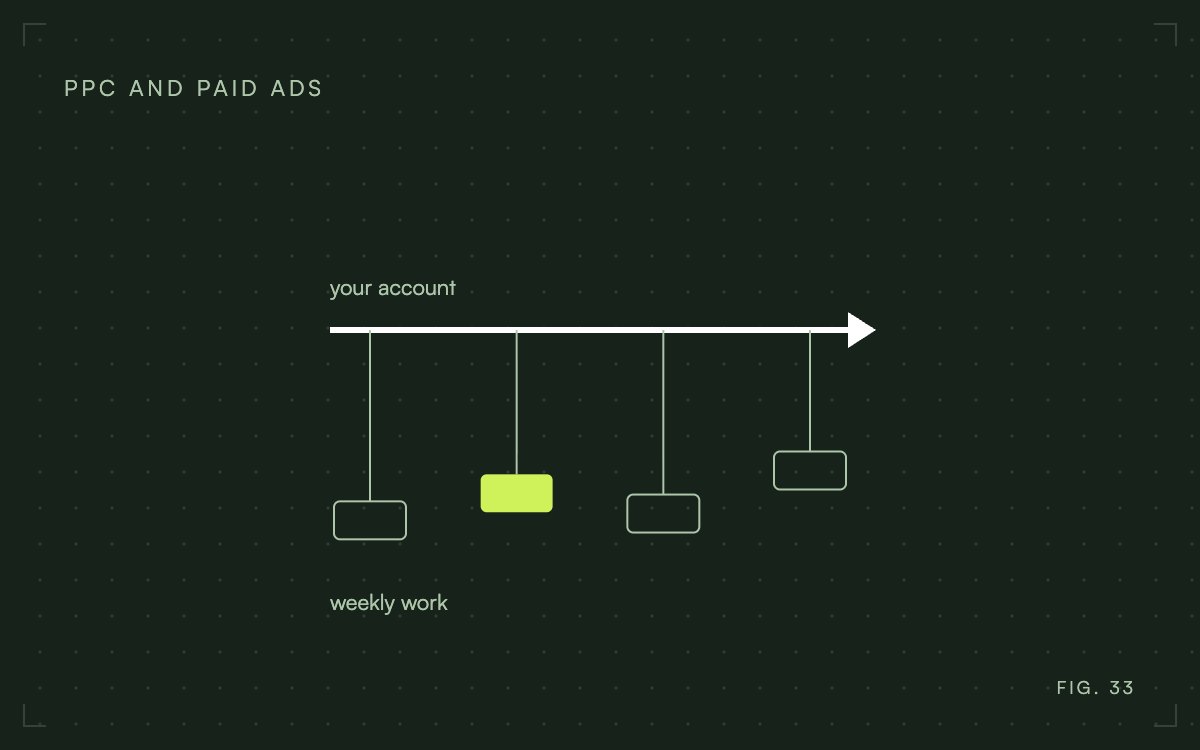
Knowing the work helps you judge whether your team can absorb it. In a typical week someone reviews the search terms report and blocks queries that cannot turn into customers. They check spend against the budget, look at which ads and keywords produced leads, and pause what did not. They also confirm that call and form tracking still fires, since a site change can break it without any warning.
Less often, they write new ads and test landing page changes. They also adjust bids by location and by time of day. None of it is hard. The difficulty is doing it consistently while running a business, and noticing when the numbers move for a reason that needs action.
When outsourcing makes sense
Outsourcing tends to help when the account has no clear owner and gets attention in bursts. It also helps when you cannot say what a lead costs, because spend and results are not connected anywhere. The guide to cost per acquisition explains how to work that number out.
Timing matters too. If you plan to raise the budget, get the account in order first. A larger budget on an account nobody has examined mostly produces a larger bill.
Outsourcing has real downsides. A partner knows your business less well than your own staff, and you depend on their process. The look at the pros and cons of outsourced marketing covers those tradeoffs.
In house, freelancer or agency
Settle this before you compare partners, because it changes what you are shopping for.
An in house hire makes sense when spend and complexity justify a full time person and you can manage and train them. The risk is that one person holds all the knowledge. A freelancer is often cheaper and more flexible, but quality varies and coverage during vacations may not exist. An agency gives you a team across strategy, ads, tracking and reporting, so the account does not depend on one person. The tradeoff is that you share your account manager's attention with other clients.
Specialists who run many accounts can see patterns across industries. A good in house person may still know your customers better than any outsider. Weigh both.
What to hand off and what to keep
You do not need to hand over everything. The weekly tuning of keywords and bids is the part a partner should own, along with the reporting.
Keep the ad accounts and the budget. The offer and the final say on claims about your business stay with you too. The accounts matter most. If they are registered to your business, you keep the campaign history, audiences and tracking when you change partners. An agency that insists on holding the accounts itself means you depend on them for your own data.
One more thing sits with you: telling the partner which leads were good. Only you know that. Without it, the campaigns can only chase more leads, not better ones.
How to choose a partner
Ask these before you sign.
- Can I see a sample report? It should show leads, cost per lead and what changed this month.
- What do you need to know about my business? A good partner asks what a customer is worth and how fast you handle leads. If the first call is only about budget, take note.
- Which accounts like mine have you run, and what did you do when one underperformed? Specific stories beat adjectives.
- Who will I talk to, and who actually works in the account? Fast answers matter when money moves daily.
How management fees work
The money you spend on ads goes to the platform. The management fee goes to your partner. Common models are a percentage of ad budget, a flat monthly fee and an hourly rate. A percentage can reward higher spend whether or not results improve, so ask how the partner handles that conflict. A flat fee is easier to plan around, but check what it covers.
Ask for the contract length, how ad budget is billed and what happens if you leave. A clear answer to all three is a good sign. For a wider view of where PPC sits among your options, see the paid advertising guide.
What the first 90 days should look like
A good partner does not start by changing bids. Expect an audit of the account and its tracking first, then a plan for the first campaigns and tests. Conversion tracking should be confirmed before spend ramps up. By the end of the first month you should see a report connecting spend to leads. By the third, you should see tests with clear results and a list of what comes next. If you are three months in and reports still show only clicks, raise it.
Red flags
- Guaranteed leads or returns. Results depend on competitors, budgets and the platform auction, which no agency controls.
- The agency owns the ad accounts and will not give you access.
- Vague answers about what the fee covers.
- No conversion tracking before launch.
- Fees and ad budget blended so you cannot see either.
- Reports that never mention what failed or what will change.

Before you contact anyone
Write down two things: what a customer is worth to you, and who would own the account each week if you kept it in house. If you cannot name that owner, shortlist two partners and ask each for a sample report and a draft of the first 90 days. If you can, have that person check tracking and search terms this week, and revisit outsourcing once you see what they find.
Working with WGM
We run campaigns inside accounts you own. We begin with call and form tracking and a review of your search terms, then report each month on leads and cost per lead. If you want a second opinion on an account you already have, start with our PPC management team.
Frequently Asked Questions
What does PPC stand for?
Pay per click. It is an advertising model where you pay when someone clicks your ad, rather than when it is shown. Google Ads and Microsoft Advertising are the best known search platforms that use it, and social platforms offer similar bidding.
How long should I commit to a PPC contract?
Terms vary by partner. Be wary of contracts that lock you in far beyond the time needed to judge results, and ask for the notice period in writing. Monthly or short initial terms leave you room to leave if reports do not improve.
Can a bank or other regulated business outsource PPC?
Yes, but you remain responsible for what the ads say. Advertising rules for financial products and similar categories vary, so ask any partner how they handle compliance review and who approves copy before it runs.